SIM Swap Fraud: How to Protect Your Mobile Number from Hackers
Mobile numbers today are linked to many critical services including banking, digital wallets, social media, email accounts, and online payments. Because of this, cybercriminals have started targeting mobile numbers through a scam known as SIM swap fraud.
SIM swap attacks allow hackers to take control of a victim’s phone number and intercept sensitive information such as OTP codes, banking alerts, and account verification messages. Once they gain access, attackers can reset passwords and potentially steal money from bank accounts or digital wallets.
Understanding how SIM swap fraud works and how to prevent it is essential for protecting your financial and personal data.
What is SIM Swap Fraud?
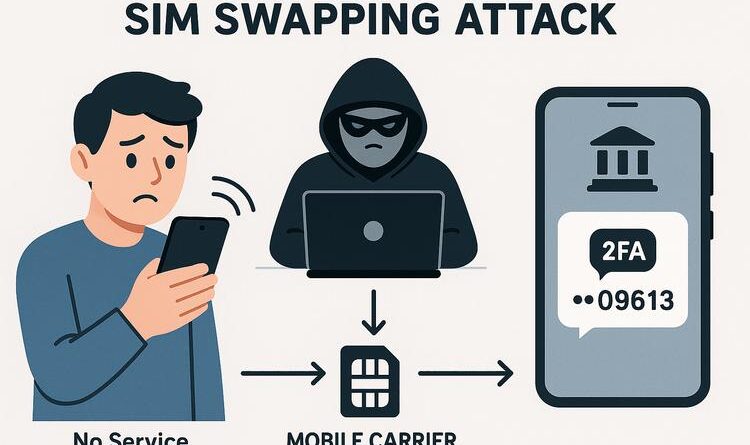
SIM swap fraud, also known as SIM hijacking, is a type of cyberattack where a fraudster transfers your mobile number to a new SIM card controlled by them.
The attacker convinces the telecom operator to issue a replacement SIM card, claiming that the original SIM card was lost, stolen, or damaged.
Once the new SIM card is activated:
- Your phone loses network signal
- The attacker starts receiving all calls and messages
- OTP codes and banking alerts are redirected to the attacker
This allows the hacker to bypass security measures used by banks and online services.
Why SIM Swap Fraud is Dangerous
SIM swap fraud is particularly dangerous because many online services rely on SMS-based authentication.
Once a hacker controls your phone number, they may be able to:
- Reset banking passwords
- Access digital wallet accounts
- Hijack social media accounts
- Access email accounts
- Perform unauthorized financial transactions
In many cases, victims realize the fraud only after money has already been transferred from their accounts.
How SIM Swap Fraud Works
Cybercriminals typically follow a series of steps to execute SIM swap fraud.
1. Collect Personal Information
Attackers gather personal details such as:
- Full name
- Phone number
- Date of birth
- Address
- ID numbers
This information may be obtained through phishing, data breaches, social media, or fake KYC calls.
2. Contact the Telecom Operator
Using the stolen information, the attacker contacts the telecom operator and requests a SIM replacement.
They may claim that:
- The SIM card was lost
- The phone was stolen
- The SIM card is damaged
If the telecom provider’s verification process is weak, a new SIM card may be issued.
3. Activate the New SIM
Once the telecom operator activates the new SIM card, the victim’s original SIM stops working.
At this point:
- The victim’s phone loses network connectivity
- The attacker begins receiving calls and OTP messages
4. Access Financial Accounts
The attacker then attempts to access accounts linked to the mobile number, including:
- Net banking
- Payment apps
- Cryptocurrency wallets
- Email accounts
OTP messages are intercepted, allowing the attacker to complete transactions.
Warning Signs of SIM Swap Fraud
There are several early signs that may indicate a SIM swap attack.
Sudden Loss of Network Signal
If your phone suddenly shows No Signal or No Service, it may indicate that your SIM card has been deactivated.
Not Receiving OTP Messages
If you are not receiving OTP codes from banks or apps, it may indicate that messages are being redirected.
Suspicious Banking Alerts
You may receive emails indicating:
- Password changes
- Login attempts
- Unauthorized transactions
Messages from Telecom Provider
Some telecom providers send alerts when a SIM replacement request is initiated.
Never ignore such messages.
How to Protect Your Mobile Number from SIM Swap Fraud
Taking proactive security measures can significantly reduce the risk of SIM swap attacks.
1. Never Share OTP or Banking Information
Banks and telecom providers never ask for OTP codes or PIN numbers.
Avoid sharing the following information with unknown callers:
- OTP codes
- Banking PIN
- Debit card details
- Account passwords
2. Enable Two-Factor Authentication (2FA)
Use app-based authentication instead of SMS whenever possible.
Examples include:
- Google Authenticator
- Microsoft Authenticator
- Authy
App-based authentication is more secure than SMS OTP.
3. Protect Your Personal Information
Limit the amount of personal data shared on social media.
Avoid publicly sharing:
- Phone numbers
- Date of birth
- Address
- Identity documents
Cybercriminals often use publicly available information to impersonate victims.
4. Add Extra SIM Security with Your Telecom Provider
Many telecom operators provide additional SIM security features such as:
- SIM lock
- Additional verification for SIM replacement
- Customer verification PIN
Contact your telecom provider to enable these options.
5. Monitor Banking and Financial Accounts
Enable alerts for:
- Login attempts
- Password changes
- Transactions
Immediate alerts allow quick action if fraud occurs.
What to Do If Your SIM Stops Working Suddenly
If your mobile phone suddenly loses signal and you suspect SIM swap fraud:
Step 1: Contact Your Telecom Operator Immediately
Ask them to block the new SIM activation.
Step 2: Inform Your Bank
Request temporary suspension of online transactions if necessary.
Step 3: Change Passwords
Update passwords for:
- Banking apps
- Email accounts
- Social media
Step 4: Report to Cybercrime Authorities
In India, you can report cyber fraud at:
You can also call the national cybercrime helpline (1930).
SIM Swap Fraud Cases Are Increasing
As digital banking and mobile payments grow, SIM swap attacks are increasing globally.
Cybersecurity experts warn that attackers are shifting toward identity-based attacks, where gaining control of a phone number allows access to multiple services.
This is why protecting your mobile identity is now just as important as protecting passwords.
Conclusion
SIM swap fraud is a serious cybersecurity threat that can lead to identity theft and financial loss. Since mobile numbers are widely used for authentication, attackers exploit weaknesses in telecom verification processes to hijack phone numbers.
By staying aware of warning signs, protecting personal information, and enabling stronger authentication methods, individuals can significantly reduce the risk of SIM swap attacks.
Taking simple precautions today can help protect your mobile number, online accounts, and financial data from cybercriminals.