Dark Web and Phishing: How Your Data Is at Risk and What You Should Do Now
January 9, 2026 — A new analysis reveals the enormous scale of phishing attacks and how stolen data travels through underground markets on the dark web, posing severe risks to individuals and organisations alike.
With over 117 million phishing links recorded in the Asia-Pacific region in 2025, cybercriminals continue to rely on deceptive tactics that trick users into divulging login credentials, personal information, and even financial data.
Phishing Still Dominates Cybercrime
Phishing remains one of the most prevalent forms of cybercrime. Attackers distribute fraudulent links that appear legitimate but lead victims to fake login pages or malware downloads. Known for exploiting human trust, these scams are often the entry point for more serious security breaches.
Once credentials are stolen, they rarely stay dormant. Instead, they are processed, validated, and sold on dark web marketplaces — often in bulk and sometimes for under $50.
What Is the Dark Web and Why It Matters
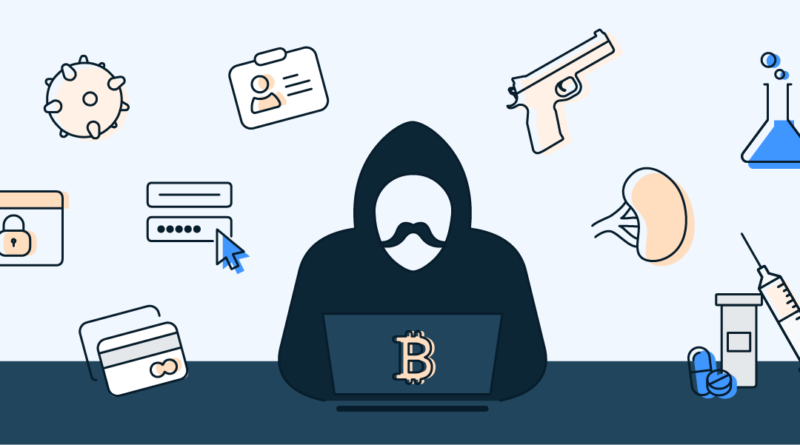
The dark web is a hidden portion of the internet that cannot be accessed through standard search engines. Users must rely on special browsers like Tor to remain anonymous and reach sites not indexed by mainstream tools. While there are legitimate reasons people access it, a significant portion of activity involves illegal marketplaces and cybercrime tools.
On these underground networks, stolen credentials, personal information, and even banking details are traded and repackaged into detailed profiles that can support identity theft, financial fraud, and targeted attacks long after the initial theft.
Which Data Gets Sold—and for How Much
According to the latest analysis:
- 📌 Online account credentials made up 88.5% of stolen data.
- 📌 Personal details such as names and dates of birth accounted for 9.5%.
- 📌 Bank card data represented the remaining 2%.
Once bundled into “dumps” and verified as valid, this information is resold on dark web forums. Certain high-value data types — like cryptocurrency access, government logins, and detailed identity profiles — fetch higher prices.
The Long-Term Impact of Stolen Data
Data once stolen doesn’t vanish — it circulates deep within cybercriminal ecosystems and can fuel future attacks. Through automated systems, attackers continually repurpose and refine stolen data, increasing the sophistication and frequency of fraud attempts.
Experts warn that earlier breaches can enable more personalised and convincing attacks over time as cybercriminals augment old data with publicly available information.
Essential Steps to Protect Yourself
Security professionals recommend a series of proactive measures that individuals and organisations should adopt immediately:
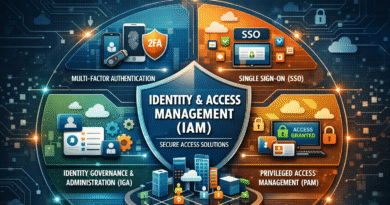
🔒 Enable Multi-Factor Authentication (MFA)
Adding a second authentication layer significantly reduces the chances of account takeover.
🔑 Update and Strengthen Passwords
Use unique, complex passwords for every critical account to stop attackers from reusing leaked credentials.
🛡️ Monitor Accounts For Unusual Activity
Regularly check for unexpected login sessions, unauthorised transactions, or suspicious changes.
🛑 Block Compromised Cards Promptly
If a bank card is compromised, contact your financial institution at once to prevent further misuse.
Also Read – Surface Web, Deep Web & Dark Web Explained: What Lies Beneath the Internet You Use Every Day?
Why Awareness Matters More Than Ever
With cybercrime evolving rapidly and dark web marketplaces lowering barriers for would-be attackers, everyone is a potential target. From consumers to enterprises, vigilance and timely defensive actions are crucial to reducing risk exposure.
Cyber security analysts stress that while technology can help block many threats, user awareness remains the first and most essential line of defence.
Disclaimer: This article is based on data reported by Economic Times CISO, supplemented by cybersecurity research and expert sources to contextualise current trends and best practices for protection.