Why Is Telegram Famous for “All the Bad Things”? The Truth Behind Its Popularity and Power Features
Why Telegram Is Always Linked to Controversy — and Why It’s Still Miles Ahead of WhatsApp
Telegram has a strange place in the digital world. It is frequently described as the go-to app for hackers, scammers, and leaked content, yet at the same time it is used daily by journalists, businesses, students, developers, and even government agencies. Few messaging platforms divide opinion as sharply as Telegram.
So why does Telegram constantly appear in headlines for the “wrong reasons”? And if it’s so controversial, why do millions continue to choose it over mainstream apps like WhatsApp?
The answer lies in how Telegram is built—and what it allows users to do.
The Origin of Telegram’s “Bad Reputation”
Telegram’s image problem is largely the result of its design philosophy. From the beginning, the platform focused on openness, scalability, and minimal interference. For years, Telegram followed a largely hands-off approach to moderation, especially in private groups and channels.
This stood in sharp contrast to platforms like WhatsApp or Messenger, which rely heavily on automated systems, strict policies, and compliance-driven content controls.
That freedom attracted people who valued privacy and uncensored communication—but it also drew in users who wanted to operate beyond oversight.
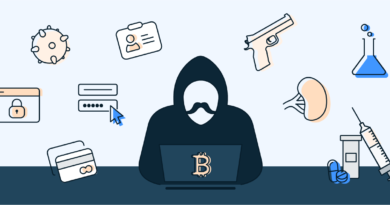
The situation became more visible after repeated global reports linked Telegram to:
- Pirated movies and software
- Leaked databases and credentials
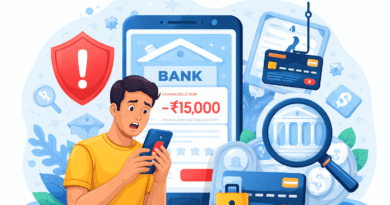
- Scam investment channels
- Extremist propaganda
Add to this the scrutiny around Telegram’s founder Pavel Durov, and the platform was increasingly framed as a digital villain—often without nuance.
Anonymity That Cuts Both Ways
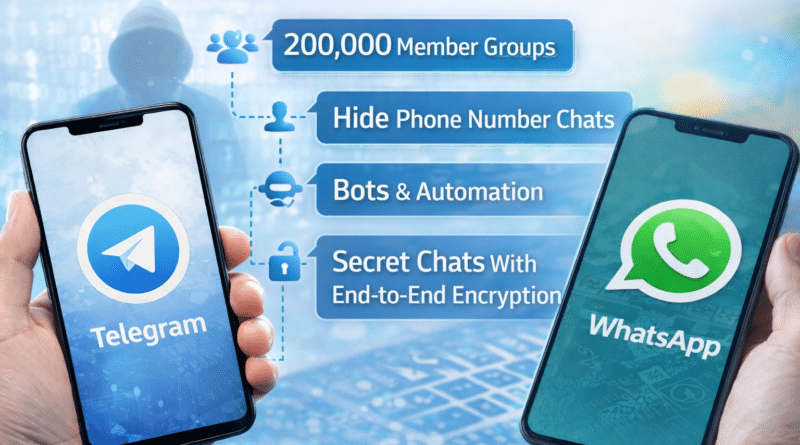
One of Telegram’s most powerful features is identity control. Users can hide their phone numbers and interact purely through usernames. Group and channel admins can also remain anonymous.
For everyday users, this means better privacy and less exposure.
For bad actors, it means reduced traceability.
This balance—privacy versus accountability—is at the heart of Telegram’s controversy.
Scale That Changes Everything
Telegram is built for scale. Groups can host up to 200,000 members, while channels can broadcast to unlimited subscribers. This makes Telegram feel less like a messaging app and more like a public communication network.
Information spreads fast—whether it’s breaking news, educational content, or something illegal. That scale is exactly why experts sometimes call Telegram a “Dark Web–like experience without technical barriers.”
How Telegram and WhatsApp Are Fundamentally Different
While Telegram and WhatsApp appear similar on the surface, they serve very different purposes.
WhatsApp is designed for personal, private communication. It prioritizes simplicity, default encryption, and regulatory compliance. Telegram, on the other hand, prioritizes power, flexibility, and reach.
In practical terms:
- WhatsApp limits group size and file sharing to control abuse
- Telegram removes most limits and gives users tools to manage scale
This difference alone explains why Telegram feels far more powerful—and far more risky.
Features That Keep Users Hooked
Telegram’s popularity isn’t accidental. It offers capabilities that go far beyond standard messaging.
Its bot ecosystem allows automation inside chats, from file conversion to moderation and content discovery. Its channels function like broadcast platforms, enabling creators and organisations to reach massive audiences instantly. Its cloud-based storage turns “Saved Messages” into a free personal drive accessible from any device.
Then there are Secret Chats—Telegram’s most private mode—offering end-to-end encryption, screenshot blocking, self-destruct timers, and device-specific access.
These are features WhatsApp either restricts or avoids entirely.
Is Telegram Actually Safe?
Here’s the paradox:
Telegram is less private by default than WhatsApp because standard chats are stored in the cloud. But for users who understand its settings, Telegram provides far more advanced privacy controls.
Safety on Telegram depends less on the platform itself and more on how users configure and use it.
The Real Reason Telegram Is Always in the Spotlight
Telegram is controversial because it gives users freedom at scale—something most modern platforms intentionally avoid. That freedom enables innovation, open communication, and resistance to censorship. It also creates room for misuse.
Telegram isn’t inherently dangerous, nor is it inherently virtuous. It is simply powerful.
And as with any powerful tool, the outcome depends entirely on who is using it—and why.