Digital Risk Protection and Dark Web Monitoring: Strengthening Your Cyber Security Strategy
As organizations continue to expand their digital presence across websites, cloud platforms, mobile applications, and social media, the potential attack surface also grows rapidly. Cybercriminals constantly search the internet and underground marketplaces for leaked credentials, sensitive data, or vulnerabilities they can exploit.
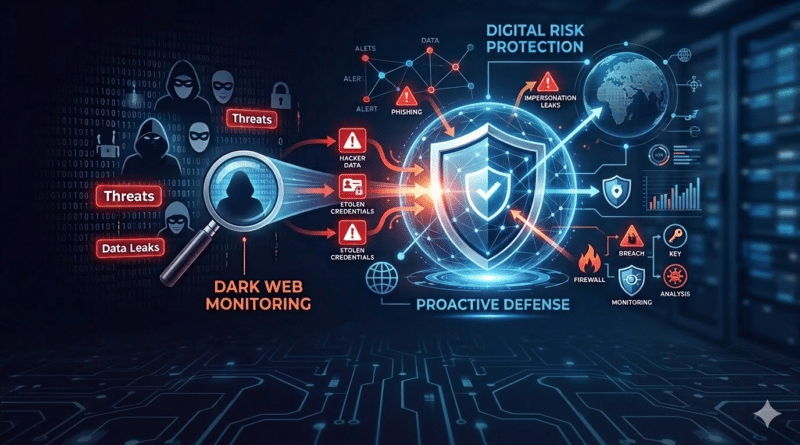
This is where Digital Risk Protection (DRP) and Dark Web Monitoring become critical components of a strong Cyber Security Strategy. These security capabilities help organizations detect external threats before they turn into serious cyber incidents.
By continuously monitoring the internet, deep web, and dark web, organizations can identify risks such as data breaches, credential leaks, phishing domains, and brand impersonation. Early detection enables security teams to take proactive action and minimize damage.
What is Digital Risk Protection?
Digital Risk Protection (DRP) is a cybersecurity approach that focuses on identifying and mitigating external threats targeting an organization’s digital assets. Unlike traditional security solutions that monitor internal networks, DRP focuses on risks that originate outside the organization’s infrastructure.
Digital Risk Protection platforms continuously scan online sources to detect potential risks related to:
- Corporate domains and websites
- Cloud services and exposed assets
- Social media accounts
- Mobile applications
- Employee credentials
- Customer data
- Brand identity and reputation
By monitoring these assets, organizations can detect cyber threats early and reduce the likelihood of successful attacks.
Why Digital Risk Protection is Important in Cyber Security Strategy
In modern cybersecurity environments, threats are no longer limited to internal systems. Attackers often target organizations through external channels such as phishing websites, social media impersonation, or leaked credentials.
Implementing Digital Risk Protection helps organizations strengthen their Cyber Security Strategy in several ways.
Expanding Digital Footprint
Businesses operate across many digital platforms including websites, online portals, SaaS applications, and social media networks. Each platform creates a potential entry point for cybercriminals.
Digital Risk Protection tools monitor these external assets to detect vulnerabilities and suspicious activity.
Early Threat Detection
One of the key advantages of Digital Risk Protection is early threat detection. Security teams can identify threats such as phishing campaigns or credential leaks before attackers exploit them.
Brand Protection
Cybercriminals often create fake websites or social media profiles to impersonate well-known brands. These fraudulent platforms are commonly used to launch phishing attacks against customers.
DRP platforms help detect such impersonation attempts and support domain takedown actions.
What is Dark Web Monitoring?
The dark web is a hidden part of the internet that cannot be accessed through traditional search engines. It requires specialized browsers and networks to access.
Unfortunately, the dark web has become a marketplace for cybercriminal activities such as:
- Selling stolen credentials
- Trading leaked databases
- Buying malware and hacking tools
- Organizing ransomware attacks
Dark Web Monitoring involves continuously scanning dark web marketplaces, forums, and data leak sites to identify stolen information related to an organization.
This allows security teams to respond quickly when sensitive data appears in underground cybercrime communities.
What Information Appears on the Dark Web After Data Breaches?
After a cyberattack or data breach, stolen information often appears on dark web marketplaces.
Common types of exposed information include:
- Email addresses and passwords
- Corporate login credentials
- Customer databases
- Credit card details
- Internal documents
- Cloud access credentials
By using Dark Web Monitoring, organizations can quickly detect if their sensitive data or employee credentials have been exposed.
Key Capabilities of Digital Risk Protection Platforms
Modern Digital Risk Protection platforms combine multiple security capabilities to monitor threats across the internet.
Dark Web Monitoring
DRP solutions monitor underground marketplaces, hacker forums, and breach databases to identify stolen credentials and leaked data.
Phishing Detection
Cybercriminals often create fake websites designed to look identical to legitimate corporate websites. These phishing pages are used to steal login credentials.
Digital Risk Protection tools monitor newly registered domains and detect suspicious domains similar to corporate brands.
Brand Impersonation Detection
Attackers frequently impersonate companies through fake social media accounts or fraudulent websites.
DRP solutions identify these impersonation attempts and help initiate takedown requests.
Data Leak Detection
Sometimes sensitive information becomes publicly exposed due to misconfigured cloud storage or unsecured databases.
Digital Risk Protection platforms scan the internet to identify such exposures before attackers exploit them.
Executive Threat Monitoring
Senior executives are often targeted in spear-phishing campaigns and social engineering attacks. DRP platforms monitor threats targeting key individuals within organizations.
How Dark Web Monitoring Helps Prevent Cyber Attacks
Dark Web Monitoring provides valuable threat intelligence that helps organizations prevent potential cyber incidents.
Detecting Credential Leaks
If employee credentials appear on the dark web, organizations can immediately reset passwords and enforce stronger authentication controls.
Preventing Account Takeover Attacks
Stolen credentials are commonly used in account takeover attacks. Detecting these leaks early can prevent unauthorized access to corporate systems.
Identifying Planned Cyber Attacks
Cybercriminal groups often discuss potential targets and vulnerabilities on underground forums. Monitoring these discussions can provide early warning signs of upcoming attacks.
Also read – Dark Web and Phishing: How Your Data Is at Risk and What You Should Do Now
Role of Digital Risk Protection in Modern Cyber Security Strategy
Traditional cybersecurity tools such as firewalls and endpoint protection focus on protecting internal networks. However, modern cyber threats often originate outside the corporate perimeter.
Digital Risk Protection expands visibility by monitoring threats across:
- Open internet
- Deep web
- Dark web
- Social media platforms
- Third-party environments
By integrating Digital Risk Protection and Dark Web Monitoring into a broader Cyber Security Strategy, organizations gain a proactive approach to threat detection.
Best Practices for Implementing Digital Risk Protection
Organizations planning to implement Digital Risk Protection should follow several best practices.
Integrate with Security Operations
DRP alerts should be integrated with Security Operations Centers (SOC) and security monitoring tools for faster incident response.
Strengthen Identity Security
If credentials are detected on the dark web, organizations should enforce:
- Password resets
- Multi-Factor Authentication (MFA)
- Access control reviews
Monitor Third-Party Risk
Many cyber incidents originate from third-party vendors or partners. DRP tools should also monitor risks related to external suppliers.
Conduct Employee Cybersecurity Training
Employees should be trained to recognize phishing attempts and protect sensitive information.
Conclusion
As cyber threats become more sophisticated, organizations must extend their security monitoring beyond traditional network boundaries. Digital Risk Protection and Dark Web Monitoring provide valuable insights into external threats targeting corporate identities, data, and brand reputation.
By integrating these capabilities into a comprehensive Cyber Security Strategy, organizations can proactively detect data leaks, phishing attacks, and credential exposures before they lead to serious security incidents.
Investing in Digital Risk Protection not only improves cybersecurity resilience but also helps protect customer trust and business reputation in an increasingly digital world.